
 Salesforce
 HubSpot
 Claude
.png?width=58&height=58&name=Frame%202087327944%20(1).png) GA4
GA4
.png?width=58&height=58&name=Frame%202087327944%20(2).png) Marketo
Marketo
.png?width=58&height=58&name=Frame%202087327944%20(3).png) Audit Fox
Audit Fox
 Services
How Aidium connected Stripe and Google Ads to HubSpot for full revenue visibility
.webp?width=1280&height=720&name=Aidium%20-%20Case%20Study%20Thumbnail%20(1).webp)
Aidium is a PropTech company offering mortgage CRM software with intelligent automation services.
Real Estate Technology
Colorado, US
The challenge
Aidium's challenges were interconnected in a way that amplified each other. Disconnected tools meant disconnected data. Disconnected data meant decisions made without the full picture. And without a clear view of how leads progressed or how revenue was trending, both the sales and customer success teams were operating below their potential.

Aidium lacked a defined lead status and lifecycle management framework inside HubSpot. Without clear stages governing how leads progressed from initial interest through to closed customer, the sales team had no reliable way to identify where prospects were stalling, where handoffs were breaking down, or how to prioritize their pipeline. The funnel existed in practice — it just had no formal structure in the CRM that made it manageable and measurable.
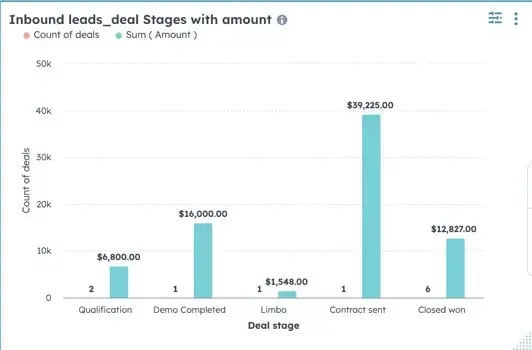
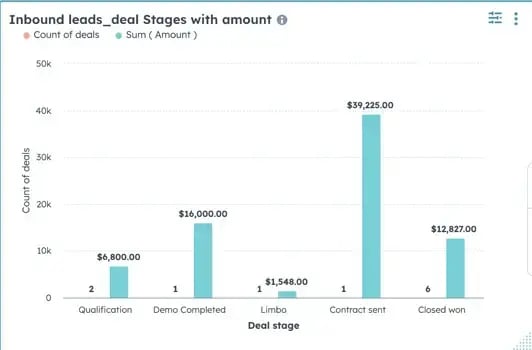
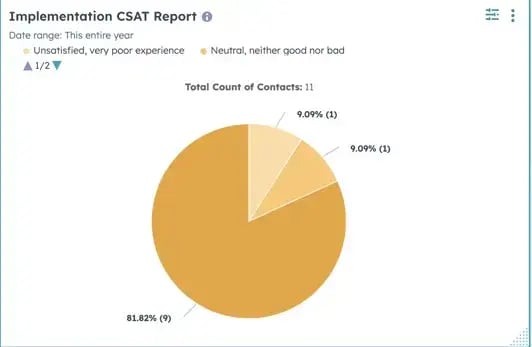
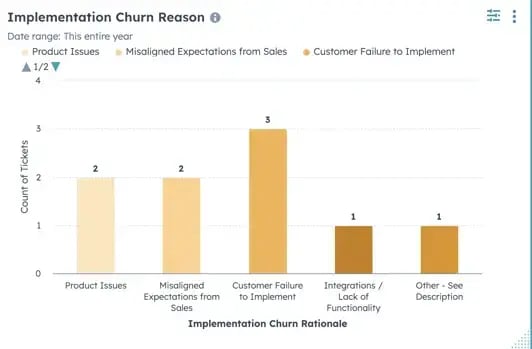
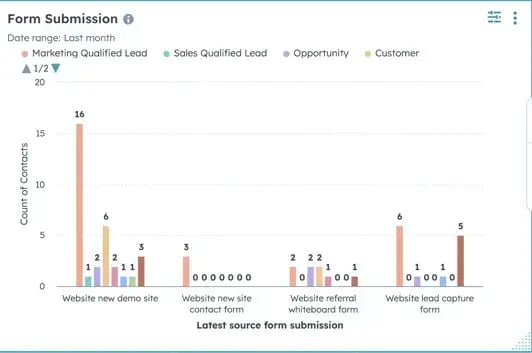
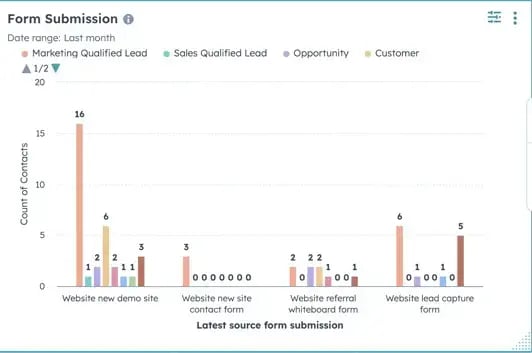
Sales, marketing, and customer success were each operating without the customized dashboards and reports they needed to make data-backed decisions. Strategy was being shaped by instinct rather than evidence. Campaigns couldn't be assessed against outcomes. Customer health couldn't be tracked with precision. The absence of comprehensive reporting wasn't just an inconvenience — it was a structural barrier to the kind of coordinated, intelligence-driven growth that a scaling PropTech company requires.
Three high-value integrations were either absent or not properly configured: Stripe payments weren't connected to HubSpot, meaning revenue metrics like MRR, ARR, and churn weren't visible in the CRM; Google Ads wasn't linked to HubSpot, leaving paid campaign performance disconnected from lead and pipeline data; and contract management within HubSpot hadn't been properly set up. Each gap represented a category of information the team was making do without.
Our solution
RevX approached this as a connected infrastructure build — establishing the lead tracking framework first, then integrating the tools that would feed financial and campaign data into HubSpot, and building the reporting layer on top of all of it.
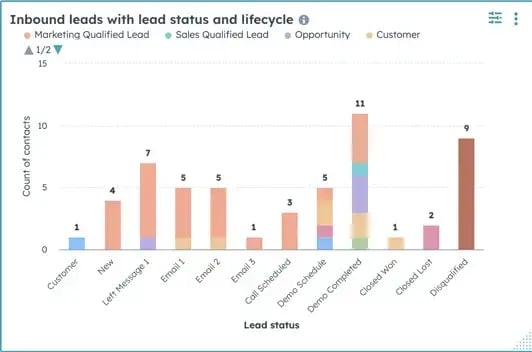
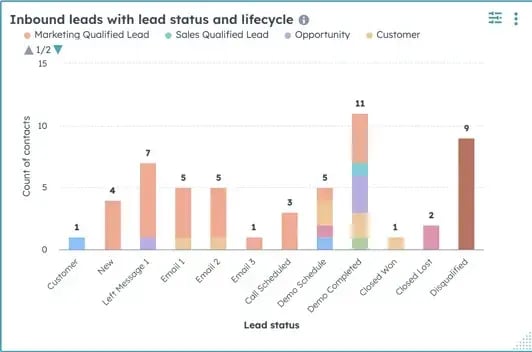
RevX established a structured lead status and lifecycle management framework that gave Aidium's sales team a clear, consistent system for tracking every prospect's journey through the funnel. Each stage was defined with the specificity needed to make progression meaningful — giving the team the ability to identify where leads were moving, where they were stalling, and what actions were required at each point. The funnel went from implicit to explicit, and manageable for the first time.
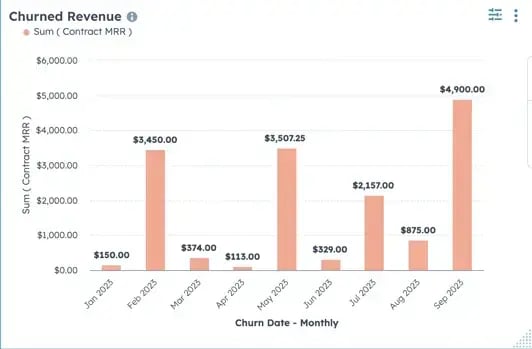
RevX built the integration between Stripe and HubSpot that connected Aidium's payment infrastructure to its CRM. Customer payment data — including real-time payment statuses — became visible inside HubSpot, giving the team accurate, up-to-date financial information at the contact and account level. Critically, the integration enabled tracking of MRR, ARR, and churn rates directly within HubSpot — transforming revenue metrics from figures that existed in Stripe into insights the entire revenue team could act on.
The impact
The combined effect of a structured lead system, integrated payment and ad data, and team-specific reporting gave Aidium something it had been missing across its revenue operations: a clear, connected view of the business from lead to revenue.
With the lead status and lifecycle framework in place, Aidium's team gained a clear view of lead progression at every stage of the sales funnel. The team could now identify where opportunities were stalling, where conversion rates were underperforming, and where to focus attention to move the needle — turning a process that had been opaque into one that was transparent and actionable.
Access to comprehensive, team-specific reports and dashboards changed how Aidium's sales and marketing teams operated. Strategy could be refined based on what the data showed was actually working. Resources could be allocated to the channels and activities generating real returns. The guesswork that had characterized decision-making — not from any lack of effort, but from a genuine lack of visibility — was replaced by the kind of informed, evidence-backed judgment that a growing SaaS company needs to scale efficiently.
The Stripe integration gave Aidium's customer success and finance teams something genuinely new: the ability to see MRR, ARR, churn, and individual payment statuses directly within HubSpot, in real time. Revenue that had previously existed only in Stripe — visible to finance but invisible to the teams managing customer relationships — became part of the shared operational picture. That transparency changed how the customer success team understood account health, and gave leadership the financial visibility to make more confident growth decisions.
Mockup